Water Contaminants in Well Water Choose the Right Well Pump
After 25+ years of diagnosing well water contamination issues, I've learned that water quality problems often come from sources homeowners never suspect - including their own pump systems. What I've discovered from thousands of customer water tests is that understanding contamination sources and choosing the right pump materials can prevent many water quality problems before they start.
Professional Reality Check: Many homeowners focus on external contamination while ignoring how their pump system itself can introduce contaminants. Lead solder, brass fittings, and non-compliant materials in older pumps add dangerous contaminants to otherwise clean well water.
Customer Emergency Pattern: "Our water tested clean at the well, but contaminated at the faucet" - I hear this when pump materials are leaching contaminants into previously safe water supplies.
25+ Years of Water Quality Experience: Families who choose pumps manufactured with NSF/FDA certified materials meeting SDWA requirements and implement proper testing protocols maintain safe water for decades, while those using non-compliant materials face ongoing contamination issues regardless of source water quality.
PROFESSIONAL WATER TESTING PROTOCOL FOR CONTAMINATION DETECTION
Professional Standard: After 25+ years of customer water testing, I recommend comprehensive testing that includes both source water and point-of-use testing. Testing only at the wellhead misses contamination introduced by the pump system itself.
Professional Testing Schedule:
- Annual comprehensive testing: Full contaminant panel including heavy metals, bacteria, chemicals
- Bi-annual basic testing: Bacteria, nitrates, pH, and common local contaminants
- Post-installation testing: Test within 30 days of any pump system changes
- Change-triggered testing: Any taste, odor, color, or health symptom changes
- High-risk period testing: After flooding, nearby construction, or environmental changes
- Vulnerable population testing: Quarterly testing for pregnant women, infants, elderly, or immunocompromised family members
Professional Dual-Point Testing Protocol:
- Wellhead testing: Identifies source water contamination
- Point-of-use testing: Detects contamination introduced by pump, pipes, or storage systems
- Comparison analysis: Determines if pump system is adding contaminants
Real Customer Discovery: "Testing at both the well and kitchen faucet revealed our old brass pump was adding lead to clean source water. Replacing with Simple Pump's lead-free system solved the contamination." - Family whose pump system was the contamination source
Indications Of Contaminants
- HARD WATER Dry, itchy skin or hair. Scratchy laundry. Difficulty getting soap to lather.
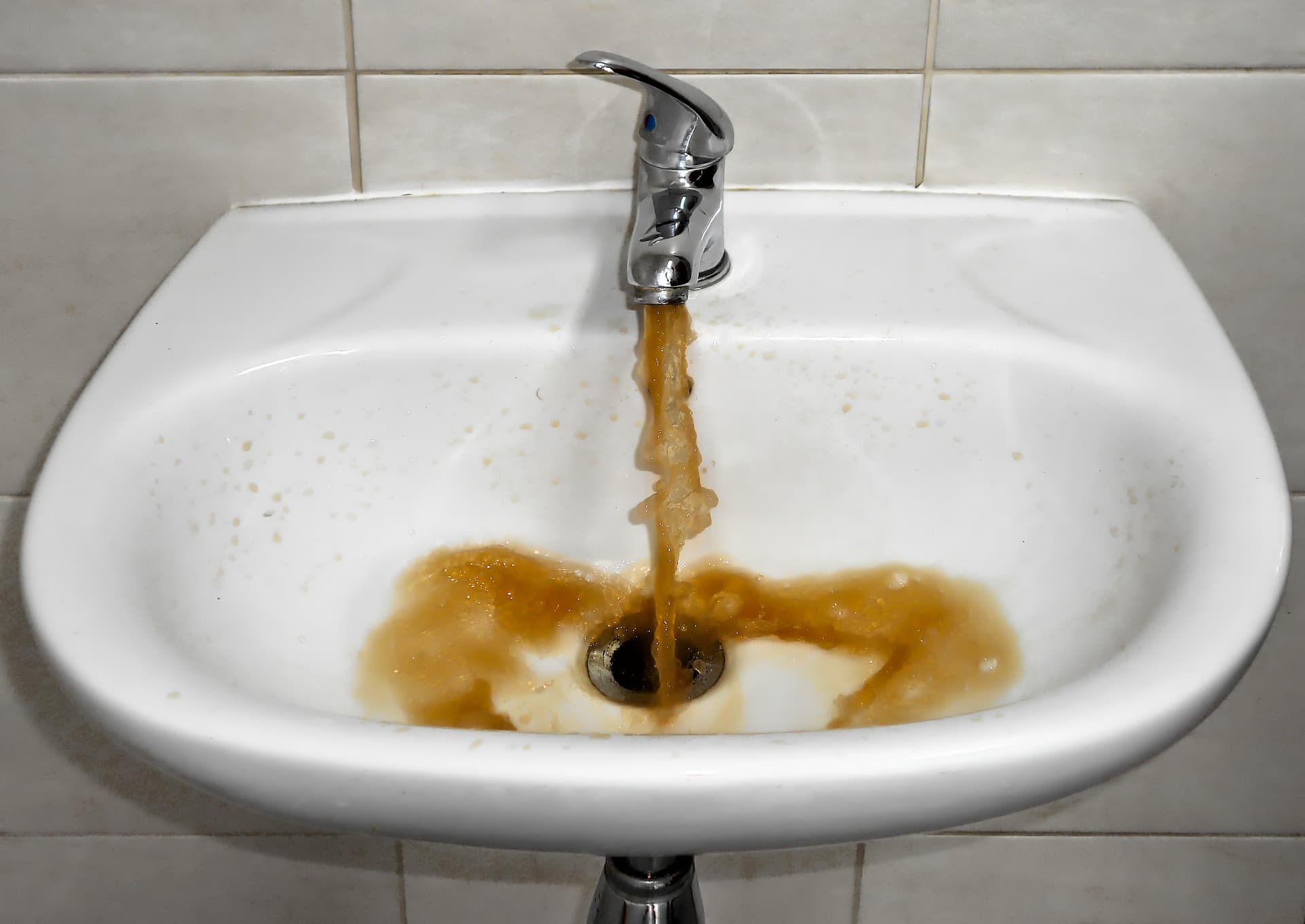
- IRON Reddish-brown stains on fixtures and clothing. Orange/brown slime in water.
- ACIDIC WATER Blue/green stains on fixtures and clothing.
- POISONOUS CHEMICALS YOU CAN SMELL or SEE Sulfur – the bad-egg smell of hydrogen sulfide. Some metals.
- POISONOUS CHEMICALS THAT YOU CAN’T DETECT YOURSELF Arsenic, lead, rocket fuel.
- DANGEROUS BACTERIA, VIRUSES, PARASITES
- SEDIMENT Not only unsightly but provides a wealth of hiding places for organisms.
What To Know
Ideal Level For Well Contaminants
The Maximum Contaminant Level Goal (MCLG) – This is the level of a contaminant in drinking water below which there is no known or expected risk to health. MCLGs allow for a margin of safety and are non-enforceable public health goals. For some contaminants, the desirable level is literally zero… not even 1 part in a billion is good enough. For others, various levels are fine.
Legal Contaminant Limit
The Maximum Contaminant Level (MCL) – This is the highest level of a contaminant that is legally allowed in drinking water. MCLs are set as close to MCLGs as feasible using the best available treatment technology and taking cost into consideration. This can mean that there are contaminants in the water that WILL cause harm, but it is just physically or financially impossible to take that amount all the way down to the ideal MCLG. MCLs are enforceable standards.
Unregulated Chemicals
In addition, there are many chemicals and microbes that may be present in drinking water that are not under any current regulations.
Well Water Purification
Since there are many possible contaminants and since water can be “legal” but still contain harmful chemicals, purification is something you may want to take care of yourself.
A purification system can be “whole house” or just for your drinking water. A typical system might be:
- A large pore ceramic filter to take out larger particles
- A finer pore ceramic filter to take out very fine particles
- An ultra-violet light to kill organisms
- A charcoal filter to remove some chemicals
- A final reverse osmosis unit to remove many types of remaining contaminants.
You can see this multi-component approach is very effective.
And if a particular chemical is present in high amounts, there are filters that are specific to a particular contaminant, e.g. for arsenic or iron.
What is the best purification system can vary a lot, depending on the circumstances. Although you can buy water purifiers online, we’d tend to recommend consulting a professional after having your water tested… an expert who can sell you THE RIGHT SYSTEM to specifically address YOUR particular needs and the condition of YOUR water.
PROFESSIONAL PUMP COMPLIANCE AND CONTAMINATION PREVENTION
Critical Professional Insight: After 25+ years of diagnosing water contamination, I can tell you that the pump system itself is often the contamination source. Non-compliant materials in older pumps add lead, copper, and other contaminants to otherwise clean well water.
Safe Drinking Water Act (SDWA) Materials Requirements:
- Lead-free materials: Maximum 0.25% weighted average lead content required
- NSF/ANSI certification: Standards 61 and 372 for drinking water component materials
- Material restrictions: No brass, bronze, or lead-containing alloys in water contact
- Documentation: NSF/FDA certification of materials required
Professional Material Analysis:
Non-Compliant Materials (Contamination Sources)
- Brass fittings: Contains lead, leaches into water over time
- Bronze components: Copper and lead contamination source
- Lead solder: Historical joining method, major contamination source
- Galvanized steel: Zinc coating degrades, exposes lead and cadmium
NSF/FDA Certified Materials (Safe for Drinking Water)
- NSF-certified 316L Stainless Steel: Corrosion-resistant, no leaching, long-term safety
- Aircraft-grade aluminum: Safe for water contact, lightweight, durable (never contacts water)
- NSF-certified PVC: Specific formulations tested for drinking water safety
- FDA-approved resins: Specially formulated materials meeting SDWA requirements
Simple Pump Materials Advantages:
- 100% lead-free construction: No brass, bronze, or lead-containing materials
- NSF-certified Stainless Steel: Marine-grade material that meets SDWA requirements
- NSF/FDA certified materials: Third-party verified drinking water safety
- Aluminum components: Aircraft-grade aluminum alloys (never contact water)
- Long-term safety: Materials don't degrade or leach contaminants
Professional Pump Assessment Protocol: "I always test water before and after pump installation. Non-compliant pumps consistently add lead contamination, while pumps manufactured with NSF/FDA certified materials maintain source water quality." - Professional installation standard
Real Customer Contamination Solution: "Our lead levels dropped from 25 ppb to undetectable after replacing our old brass pump with Simple Pump's stainless steel system. Same well, same water - just a safe pump." - Customer whose pump replacement eliminated lead contamination
Professional Assessment: Your Water Safety Strategy
25+ Years of Water Safety Success: Comprehensive water safety requires both source protection and system compliance. Understanding contamination sources, implementing proper testing, and choosing SDWA-compliant equipment ensures safe water for decades.
Customer Success Formula:
- Comprehensive testing identifies all contamination sources (source water and system)
- Pump with NSF/FDA certified materials prevents introduction of new contaminants
- Appropriate treatment addresses source water contamination
- Regular monitoring ensures continued water safety
- Professional guidance optimizes system performance and safety
Professional Water Safety ROI: Investment in compliant pump systems and appropriate treatment typically costs $3,000-8,000 but prevents health issues, reduces medical costs, and provides decades of safe water access.
Ready to Ensure Your Water Safety?
Professional water safety assessment requires expertise in both contamination analysis and treatment design. Request a consultation to discuss water testing protocols, pump compliance, and treatment system recommendations.
Questions about water contamination or pump compliance? Call (877) 492-8711 to speak with our water safety specialists who've helped thousands of families achieve safe, clean water through proper system design and compliance.
Ready to Get Started?
Get expert help choosing the right well pump system for your specific needs. Our team has 25+ years of experience in reliable water systems.