
Case Study: Reliable Water Access in Low-Resource Settings
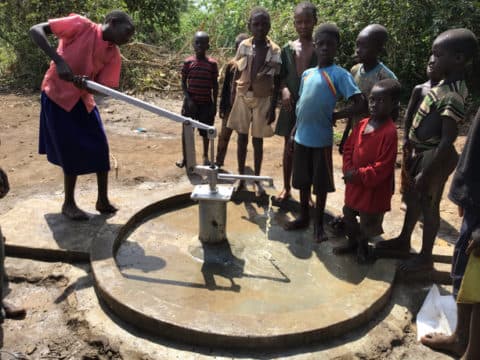
Summary: Traditional development deployments fail when pumps are unreliable. This case study reframes the problem through a manufacturing lens and shows how precision-built hand pumps change outcomes by reducing failures, downtime, and total cost of ownership.
Client Context
- Sector: Rural water access, NGOs, ministries, and community programs
- Primary constraint: Systems break, and stay broken due to parts, expertise, and logistics
- Goal: Deliver dependable, safe water with a predictable lifetime cost profile
The Challenge
Despite decades of investment, many communities still lack reliable water:
- 900 million people lack safe drinking water (WHO/UNICEF)
- Diarrheal disease in children exceeds HIV/AIDS, tuberculosis, and malaria combined
- Up to 90% of diarrheal disease is preventable through improved water and sanitation
Field reality: Conventional hand pumps fail 25-75% of the time, with a 36% average non-functioning rate across 21 African countries (Rural Water Supply Network). Repairs can take months because parts and technical expertise are not available when needed.
Impact: Lost school days, lost income, and heavy time burdens for women and girls who spend 15–17 hours/week hauling water.
Why Traditional Approaches Fall Short
- Lowest-bid procurement optimizes for purchase price, not life-of-system cost
- Planned obsolescence and inconsistent quality create high failure rates
- Repair logistics are fragile, so “cheap” becomes unaffordable after downtime and spares
The core issue is not pump distribution, it is pump reliability.
The Solution
Precision Manufacturing Requirements
- Design life: 50 years of service, not 5
- Materials: NSF-certified stainless steel wetted parts, aerospace-grade alloys, certified fiberglass rods
- Maintainability: Seals and rod-gland service in 1–2 hours every ~5 years
- Installability: One-person installation possible, light shipping weight (95–130 lbs vs 330+ lbs)
Deployment Model
- Smaller boreholes: Use 2″ casing where geology allows, reduce drilling cost by up to two-thirds
- Distributed reliability: Three smaller, reliable wells often outperform a single large, failure-prone borehole
- Pressurized use: Capable of providing household pressure and supporting drip irrigation
Implementation
- Assessment: Water level, geology, and required pressure determine cylinder and set depth
- Borehole strategy: Prefer 2″ casing where formations permit
- Install: Single trained tech or small team, standard hand tools
- Training: Local caretakers shown 5-year seal kit procedure and basic checks
- Spares: Low-cost seal kits stored on site, simple inventory
Results
Reliability & Uptime
- Zero outright failures in first 5 years in documented programs
- Maintenance interval: once every ~5 years, 1–2 hours
Health & Access
- Continuous access reduces disease risk and eliminates long water-haul times
- All wetted metals are lead-free stainless steel, avoiding iron-taste rejection and corrosion risks tied to galvanized components
Economics, Total Cost of Ownership
Traditional hand pumps:
- 25–75% failure at any time
- Months-long repairs
- ~$590 spare parts provisioning per pump (peer NGO budgeting)
Precision-manufactured pumps:
- 50-year useful life target
- Tens of dollars in spares over life
- 1–2 hours maintenance every ~5 years
System-level savings:
- Drilling: up to 2/3 cost reduction with 2″ casing
- Transport & install: light weight, fewer people, lower logistics cost
- Downtime: minimized, communities stay online
Stanford research cited in sector literature shows that pairing a reliable pump with basic irrigation can move villages from seasonal malnutrition to surplus food production, with 20%+ above-subsistence income.
Lessons Learned
- Initial price is not total cost. Downtime, spares, labor, and health costs dominate over time.
- Reliability is equity. When pumps work, women and children reclaim time for school and income.
- Manufacturing quality matters. Precision machining and certified materials prevent the failure modes that strand communities.
- Distributed design wins. Multiple smaller, reliable wells reduce risk and improve access.
Founder’s Note: On Local Manufacturing
Attempts to localize CNC production faced power quality and skills constraints that undermined precision. Until reliable clean power and skilled CNC capacity are in place, exporting precision parts and building local install/maintenance capacity delivers better outcomes at lower risk.
Comparing Simple Pump To Common Alternatives
Where Simple Pump excels:
- Materials: NSF-certified stainless steel in wetted parts
- Serviceability: Quick seal changes, minimal tooling
- Pressure capability: Suitable for household taps and drip irrigation
- Borehole flexibility: Works in 2″ casings, reduces drilling cost where geology allows
When to choose other options:
Extremely sandy or collapsing formations may require larger casings. Use a geologic survey to select the borehole and casing strategy.
Recommended Program Design
- Target reliability, not lowest upfront price
- Adopt TCO procurement, include drilling, downtime, spares, and labor
- Stock seal kits on site, schedule 5-year service
- Train a local caretaker, document a 60-minute maintenance checklist
- Instrument outcomes: uptime, liters per person per day, school attendance, clinic visits
Sources
- WHO/UNICEF Joint Monitoring Programme, global water access statistics
- Rural Water Supply Network, non-functioning rates across 21 countries
- GLAAS 2010 report, water and sanitation macro-benefits
- Peer NGO budgeting analyses on India Mark II/III/VLOM maintenance spares
Ready to Get Started?
Installing a Simple Pump system is easier than you think. Request a free quote for a custom recommendation, or contact our experts for implementation guidance.
Questions about installation? Call us at (877) 492-8711 or find a certified dealer near you.
Tags:
Ready to Get Started?
Get expert help choosing the right well pump system for your specific needs. Our team has 25+ years of experience in reliable water systems.