How to Add a Shallow Well Pump As a Backup to Your Electric Well Pump
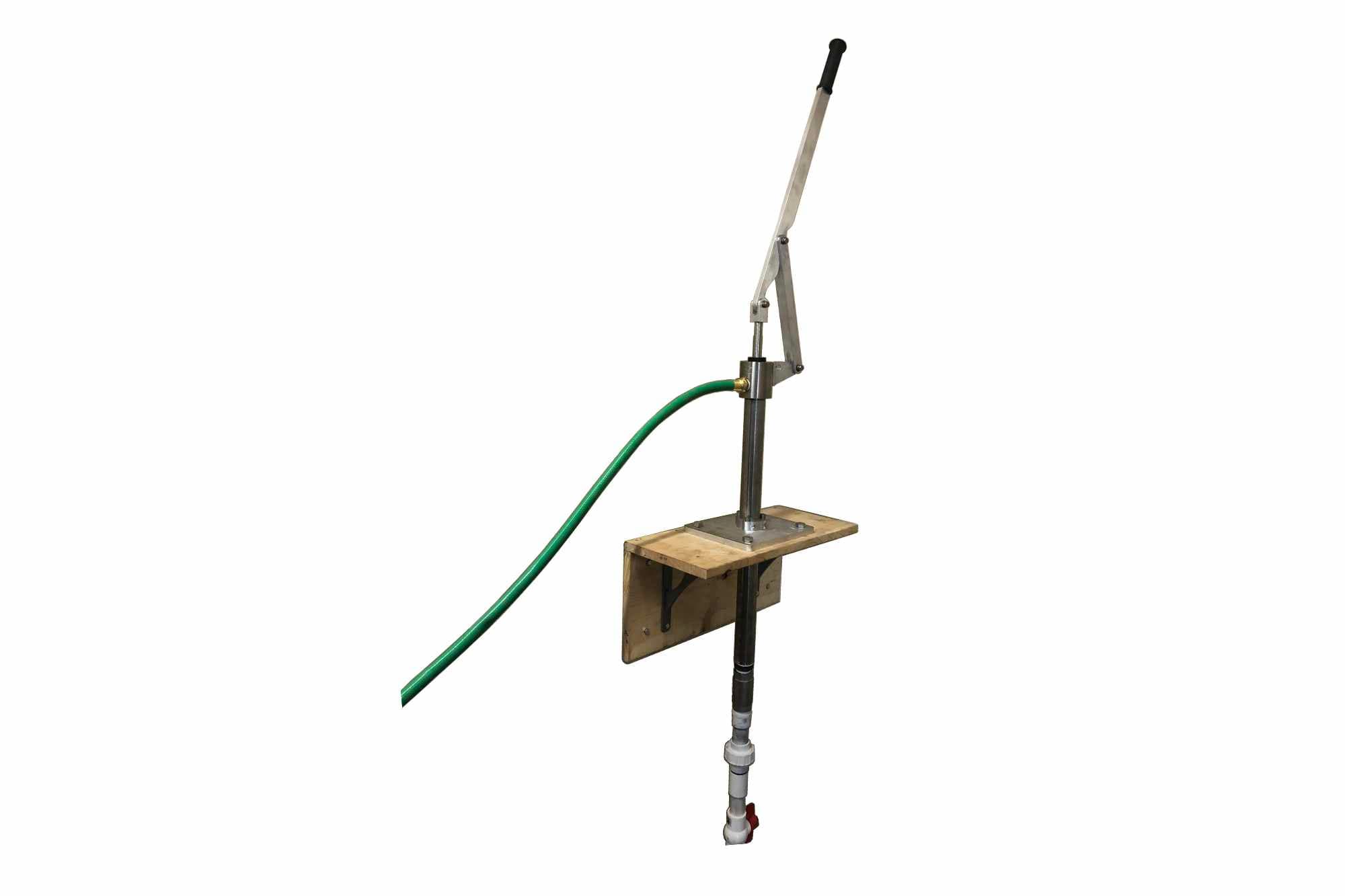
After 25+ years of helping customers install backup water systems, I've learned that properly mounted shallow well pumps provide the most reliable emergency water access during power outages. In this article, I'll show you exactly how we mounted a shallow well pump to a wall near our pressure tank as a backup to our electric well pump.
Critical Professional Insight: This installation works with both jet pumps and submersible pumps, but success depends on proper depth calculations and pressure compatibility. I'll walk you through the exact specifications that ensure your backup system works when you need it most.
Customer Success Reality: Families who complete this installation report having "complete peace of mind" during storm seasons, knowing they have immediate access to water without generators or external power sources.
Professional Engineering Specs: Shallow well pumps, technically called suction pumps, can lift water from a maximum depth of 25 feet at sea level. This depth reduces by approximately 1 foot for every 900-foot elevation increase. At 4,500-foot altitude, expect maximum lift of 20 feet.
Critical Installation Calculation: The 25-foot limit includes ALL vertical distance you're lifting water. Since we're mounting away from the wellhead, you must account for elevation differences.
Real Installation Example: Customer wellhead 5 feet lower than basement pump mounting location + 13-foot water level = 18 feet total lift against the 25-foot maximum. This leaves 7 feet of safety margin - exactly what I recommend for reliable operation.
25+ Years of Installation Experience: Customers who ignore elevation calculations face pump failure during emergencies. I always verify total dynamic head before recommending this installation approach.
Professional Mounting Installation
25+ Years of Customer Installations: Wall-mounted shallow well pumps provide the most accessible emergency water access. I've seen hundreds of successful installations using this exact shelf-mounting approach.
Critical Measurement Protocol: Measure pump handle clearance BEFORE mounting. You need minimum 36 inches of clear space for comfortable pumping operation. Customers who skip this step struggle with awkward pump positioning during emergencies.
Professional Mounting Standards:
- Two-stud minimum: Mount shelf across two wall studs for structural integrity
- Force resistance: Handle pumping generates significant lateral forces
- Accessibility design: Position for operation by all family members, including elderly
Customer Installation Success: "The wall mount makes pumping so much easier than floor-mounted systems. Even my 70-year-old mother can operate it during power outages." - Montana customer
Simple Pump Engineering: Our shallow well suction pump includes a purpose-built mounting plate that integrates directly with the shelf system, ensuring secure attachment and optimal pump alignment.
Professional Plumbing Configuration
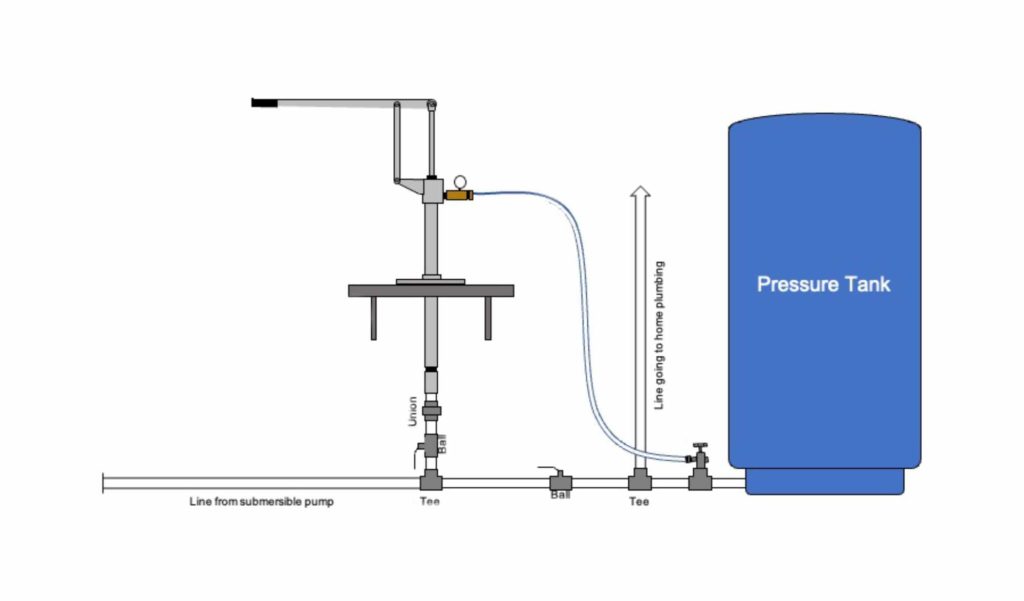
Dual-Function Design Advantage: This plumbing setup provides both direct water access at the pump head AND pressure tank filling capability. After installing hundreds of these systems, this flexibility proves essential during different emergency scenarios.
Customer Emergency Reality: "During the ice storm, we used direct pumping for drinking water and filled the pressure tank twice daily for household use. The hose connection made switching between modes effortless." - Arkansas customer
Professional Installation Components:
- Pressure tank spigot: Connected via short hose for flexible water direction
- Plumbing tee integration: Connects to existing electric pump system
- Ball valve isolation: Enables switching between electric and manual operation
- Bucket filling option: Direct water access without pressurizing system
Critical Valve Configuration: Ball valves allow complete isolation of electric pump system, preventing backflow and ensuring manual pump operates at full efficiency. This valve arrangement is essential for proper system function.
Engineering Insight: The diagram below shows the exact configuration I've perfected over 25+ years of customer installations. This setup works reliably with both jet pumps and submersible electric systems.
Professional Pressure Tank Operation
Critical Safety Protocol: Check valve and pressure gauge installation prevents pressure tank damage and provides operational feedback. After 25+ years of installations, I've seen costly tank failures when customers skip pressure monitoring.
Customer Pressure Management Success: "The pressure gauge made all the difference. I pump to 40 PSI and know exactly when to stop. No guesswork, no tank damage." - Texas customer
Professional Operating Specifications:
- Output rate: 8.5 ounces per stroke (shallow well suction pump)
- Pressure monitoring: Essential for tank protection and optimal performance
- Recommended pressure: Follow tank manufacturer specifications (typically 40-60 PSI)
- Pumping efficiency: Approximately 100 strokes = 3.3 gallons at optimal pressure
Real-World Performance Data: Customers report filling a 20-gallon pressure tank in approximately 600 strokes, taking 15-20 minutes of comfortable pumping. This provides 2-3 days of emergency water for a family of four.
Professional Installation Verification: Complete installation instructions ensure proper check valve placement and pressure gauge calibration for safe, reliable operation.
Professional Assessment: Your Installation Success
25+ Years of Customer Validation: Families who complete this wall-mounted backup installation report having "complete confidence" during power outages and natural disasters. The combination of accessible mounting, flexible plumbing, and pressure tank compatibility creates a reliable emergency water system.
Customer Success Pattern: Every successful installation follows the same steps - proper depth calculation, secure wall mounting, flexible plumbing configuration, and pressure monitoring. When done correctly, this system provides decades of reliable backup water access.
Real Customer Results:
- Emergency preparedness: Immediate water access during power outages
- Family accessibility: Operable by elderly and disabled family members
- Maintenance simplicity: Annual check valve inspection and pressure gauge verification
- Long-term reliability: 20+ year operational lifespan with minimal maintenance
Professional Recommendation: This installation represents the most cost-effective emergency water backup for wells within 25-foot suction lift capability. The wall-mounted configuration provides accessibility advantages over wellhead installations.
Ready to Install Your Emergency Water Backup?
Installing a wall-mounted backup system requires careful planning but provides decades of reliable emergency water access. Request a free quote to verify your well's compatibility and get precise installation specifications.
Questions about wall mounting or installation? Call (877) 492-8711 to speak with our installation experts who've guided hundreds of families through successful backup system installations.
Tags:
Ready to Get Started?
Get expert help choosing the right well pump system for your specific needs. Our team has 25+ years of experience in reliable water systems.