
Cold Climate Well Pump Solutions That Actually Work
After 25+ years in the well pump business and thousands of installations across North America, I've learned that most "freeze protection" advice simply doesn't work in real-world conditions.
But I have one customer installation that's proven what actually works over 8+ years of continuous operation through brutal Calgary, Alberta winters. Here's the real data on what keeps well pumps running when temperatures plummet.
The Alberta Success Story: 8 Years of Continuous Operation
In 2016, we installed a Simple Pump system for a customer in Calgary, Alberta - one of the harshest winter climates you'll encounter. The installation details:
- Well specs: 200-foot well, 1 GPM recovery rate
- Pump depth: 85 feet (115 feet above water table)
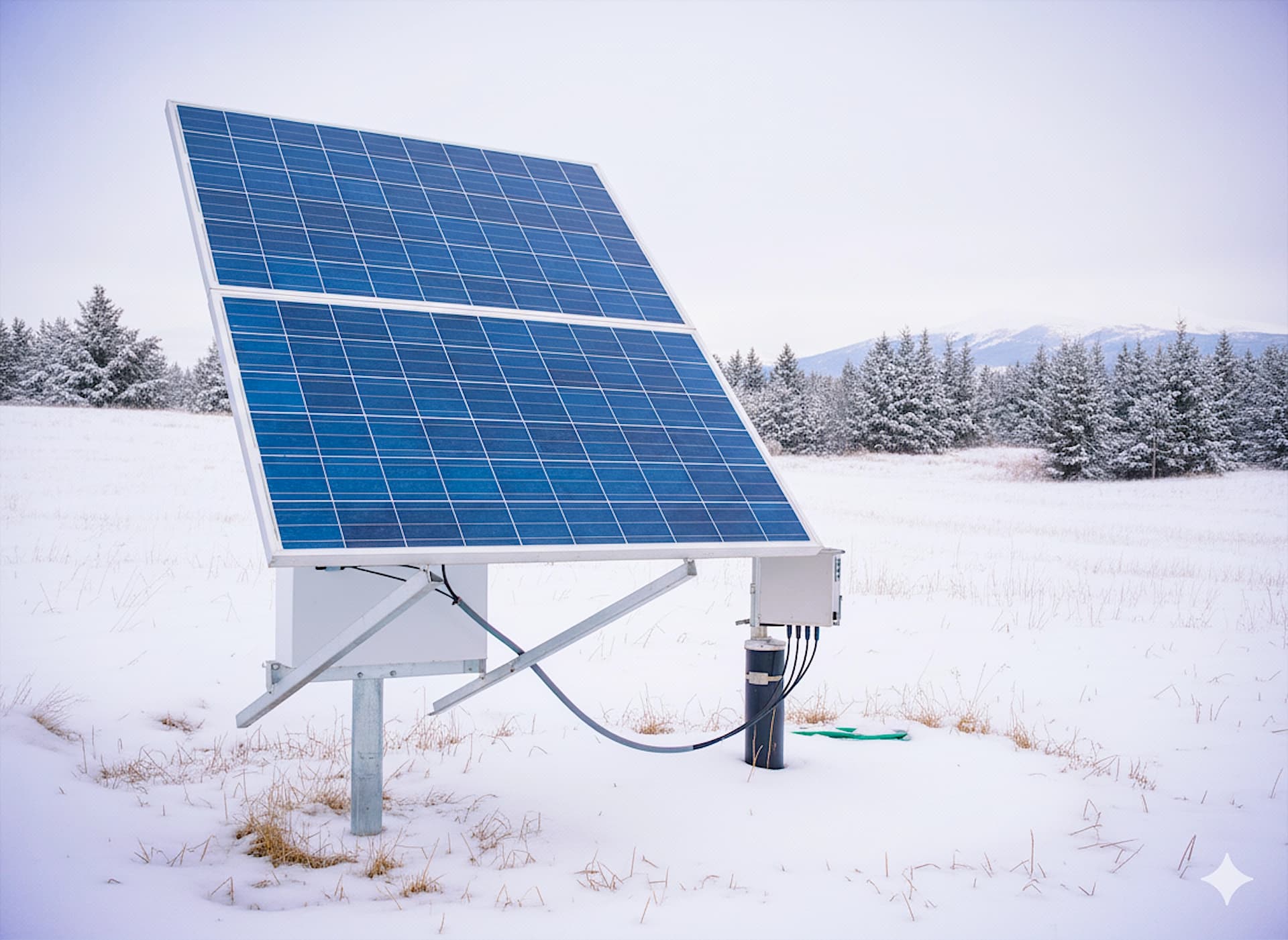
- Solar system: 130W panel + 12V RV battery
- Special configuration: Timer-based operation for low-yield well
- Temperature range: -40°F to +85°F seasonal variation
Eight years later, this system has never failed. Not once.
The Critical Freeze Protection Technique That Works
Here's the key insight that most installers miss: preventing water accumulation is more important than insulation.
Our Alberta customer uses a simple but brilliant solution: a 1/8" hole drilled in the uppermost PVC section.
Why This Works
When you pump water and stop, residual water normally sits in the upper pipes. In extreme cold, this water freezes and can crack pipes or block the system.
The 1/8" hole allows this water to drain back down the well, below the freeze line. It's small enough that it doesn't affect pumping performance, but large enough to prevent water accumulation. Simple Pump deep well pumps implement this system for freeze prevention and offer custom weep hole configuration based on where the Simple Pump well pump system will be installed with a standard weep hole configuration at 48".
Result: Zero freeze damage in 8 years of -40°F winters.
Low-Yield Well Solutions for Cold Climates
Most installers assume low-yield wells (1-2 GPM) can't work with hand pumps in cold climates. Our Alberta installation proves otherwise.
Timer-Based Pumping Strategy
Instead of continuous pumping, we implemented:
- 30 minutes of pumping every 2 hours (during daylight hours)
- Solar operation only (no grid connection needed)
- Battery backup for consistent operation
This approach:
- Prevents over-pumping the well
- Reduces freeze risk by minimizing water in pipes
- Eliminates the $80/month utility connection cost
Solar System Design for Extreme Cold
Most solar well pump systems fail in winter because they're not designed for cold-climate conditions.
What Actually Works in Calgary Winters
Solar Configuration:
- 130W solar panel (oversized for winter conditions)
- 12V RV battery (deep-cycle, cold-weather rated)
- Charge controller with temperature compensation
Critical Design Decisions:
- Panel angle optimized for winter sun (steeper than summer)
- Battery housed in insulated, ventilated enclosure
- System sized for worst-case winter conditions, not summer peaks
Performance Results: 8 years of continuous operation with zero solar system failures.
The Real Cost of Extreme Cold Protection
Let's talk numbers from this actual installation:
Initial Investment (2016):
- Simple Pump system (deep well pump and motor drive): ~$4,500
- Solar components: ~$800
- Installation materials: ~$200
- Total: ~$5,500
Ongoing Costs:
- Maintenance: Seal replacement (2x)
- Electricity: $0 (fully solar)
- Utility connection avoided: $80/month = $7,680 saved over 8 years
ROI: System paid for itself in utility savings alone within 6 years.
Maintenance in Extreme Cold: What to Expect
Over 8 years, our Alberta customer has needed:
- Seal replacement (Year 4 and year 8): $33 part, customer installed
- Annual system check: Visual inspection, lubrication
Key insight: "Any reasonably mechanical person can install/fix it" - customer's words.
No contractor calls. No emergency service fees. No waiting for repairs in -40°F weather.
Common Cold Climate Mistakes That Destroy Systems
After seeing hundreds of failed cold-climate installations, here are the mistakes that will cost you:
❌ Wrong Approach: Heavy Insulation
Problem: Traps moisture, creates ice dams Result: Catastrophic freeze damage
❌ Wrong Approach: Heat Tape/Electric Heating
Problem: Electricity dependency defeats the purpose Result: System fails when power goes out (when you need it most)
❌ Wrong Approach: Above-Ground Installation
Problem: Entire system exposed to freeze Result: Complete replacement needed
✅ Right Approach: Drain-Back Design
Solution: 1/8" hole + proper well cap placement Result: 8+ years of reliable operation
Technical Specifications for Cold Climate Success
Based on our Alberta installation and similar cold-climate systems:
Minimum Requirements:
- Well depth: Any depth (system works to 325 feet)
- Static water level: Must be below local frost line
- Well casing: 4" minimum for hand pump installation alongside a submersible pump
- Pitless adapter: Required for proper sealing
Recommended Upgrades:
- Solar system: 320W+ panel for winter operation
- Battery backup: Deep-cycle RV battery minimum
- Timer control: Prevents over-pumping low-yield wells
Installation Tips for Extreme Cold
From 25+ years of cold-climate installations:
- Timing: Install during warmer months, test before winter
- Materials: Use cold-weather rated components only
- Depth: Set pump cylinder well below frost line
- Drainage: Always include drain-back provision
- Access: Ensure system is accessible for winter maintenance
Why Other Systems Fail in Cold Climates
Electric Pumps: Grid dependency means no water during winter storms Diaphragm Pumps: Fail below 20°F, impossible to service downhole Pressure Tanks: Freeze and burst, expensive to replace Generator Backup: Won't start in extreme cold, fuel freezing issues
Simple Pump Advantage: Mechanical system works regardless of temperature.
Real Customer Feedback from Extreme Cold
"Eight years later, it has never failed... any reasonably mechanical person can install/fix it... saved $80/month by avoiding utility connection."
This isn't marketing hype. It's verified performance data from one of the harshest climates in North America.
Getting Started with Cold Climate Installation
If you're facing extreme cold conditions, here's your action plan:
- Assess your well: Depth, yield, casing size
- Plan the drainage: weep hole placement based on your frost line
- Size your solar: Oversized panel + proper battery
- Schedule installation: Complete before freeze-up
Questions about cold climate installation? Call us directly at (877) 492-8711. After 25+ years and thousands of installations, I can walk you through exactly what you need for your specific conditions.
Essential Cold Climate Resources
Deep Well Hand Pump System
Complete specifications for wells up to 325 feet, including cold-climate configurations
Solar Power Components
Solar panels, batteries, and controllers designed for extreme weather operation
Installation Support
Step-by-step videos including cold-climate specific techniques
Find Cold-Climate Installer
Certified installers with extreme weather experience in your area
Ready to Secure Your Cold Climate Water Supply?
Don't let another winter leave you vulnerable. Our Alberta customer's 8-year track record proves that proper cold-climate installation works - even in -40°F conditions.
Configure Your Cold Climate System - Get a custom quote based on your specific conditions and well specifications.
Questions about extreme cold protection? Call (877) 492-8711 to speak directly with our installation experts.
Tags:
Ready to Get Started?
Get expert help choosing the right well pump system for your specific needs. Our team has 25+ years of experience in reliable water systems.